
Retirement offers something many of us spend years looking forward to: more time. More time to pursue favorite hobbies, connect with family and friends, explore new interests, travel, and simply enjoy the everyday moments that make life meaningful.
Making the most of those years also means making your health a priority.
Healthy aging isn’t focused on trying to turn back the clock, but rather on building habits that support your strength, independence, mental well-being, and quality of life. From staying physically active to eating well and maintaining meaningful social connections, relatively simple choices can make a valuable difference.
At Grand Village, we believe wellness is about MUCH more than just physical fitness! Creating a lifestyle that keeps the body moving, the mind engaged, and each day filled with opportunities to connect and thrive is the path to staying well as we age.
Here are several practical ways to make health and wellness an important part of retirement:
Keep Moving in Ways You Enjoy
Regular physical activity is one of the foundations of healthy aging.
The CDC Physical Activity Guidelines for Americans recommend that adults get at least 150-300 minutes of moderate-intensity aerobic activity each week, along with muscle-strengthening activities at least two days per week. Older adults should also incorporate activities that help improve balance. (CDC)
That may sound like a lot at first, but staying active doesn’t have to mean spending hours in a gym.
Consider activities you genuinely enjoy, such as:
- Walking
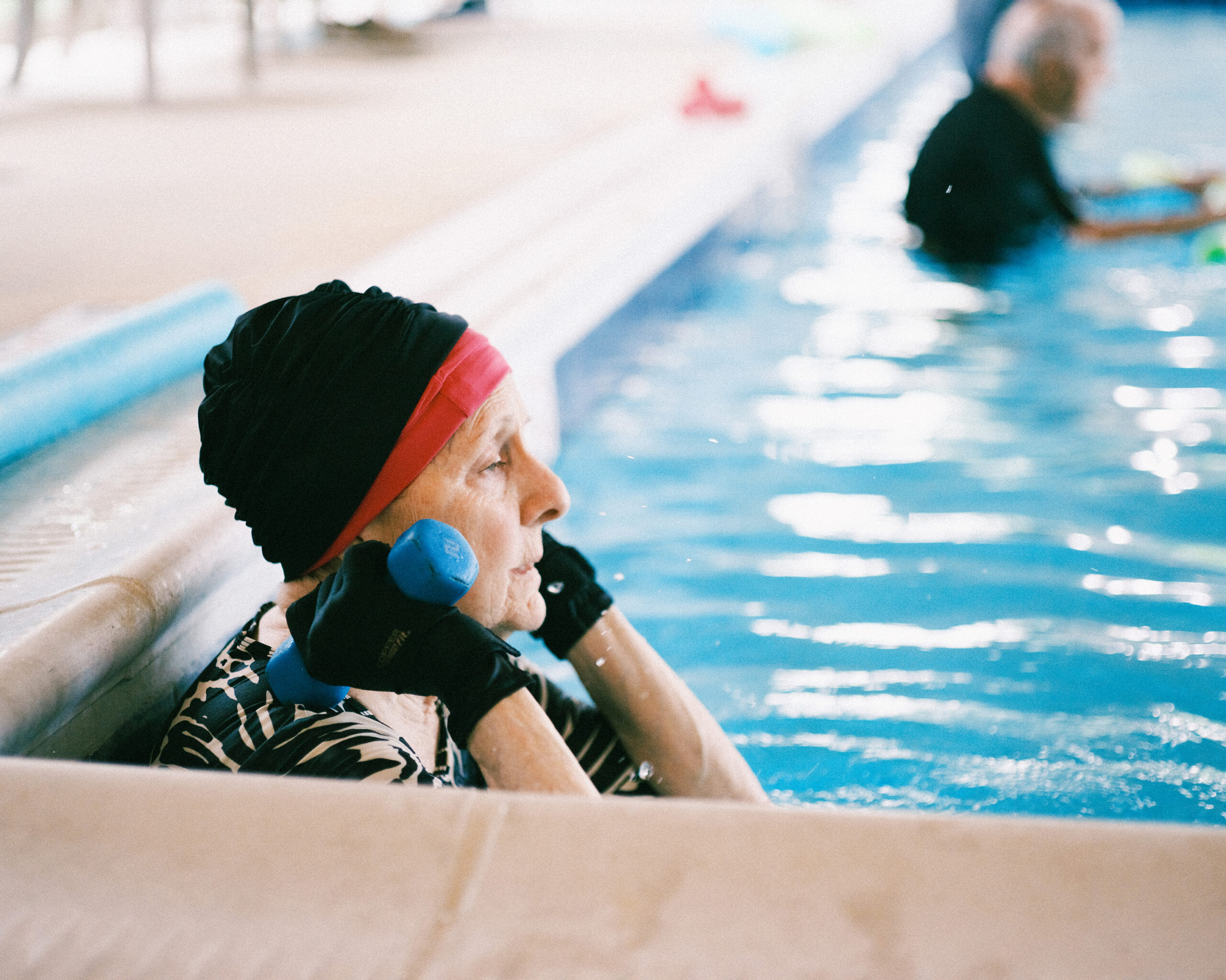
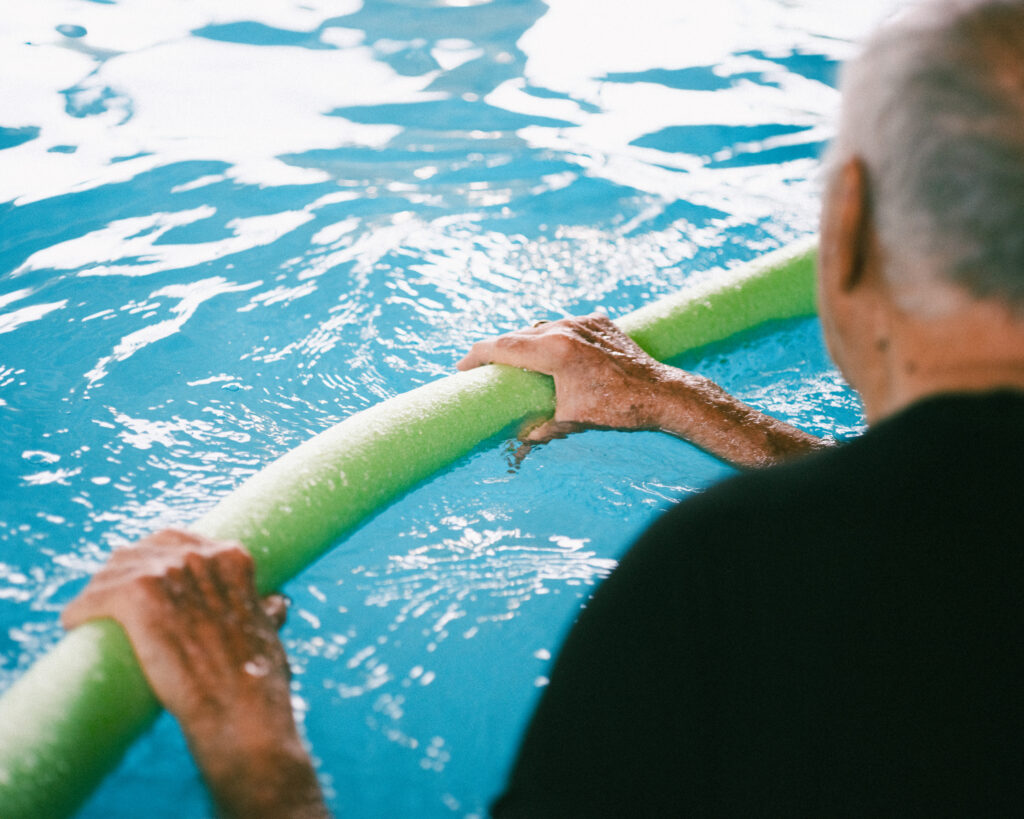
- Swimming or water exercise
- Gardening
- Dancing
- Cycling
- Yoga or stretching
- Strength and resistance exercises
- Balance exercises
The best exercise routine is often one you look forward to doing. Even if you can’t meet the full recommended amount because of a health condition or physical limitation, older adults should remain as physically active as their abilities and conditions allow.
Before beginning a significantly different exercise routine, particularly if you have chronic health conditions or mobility concerns, discuss appropriate activities with your healthcare provider.
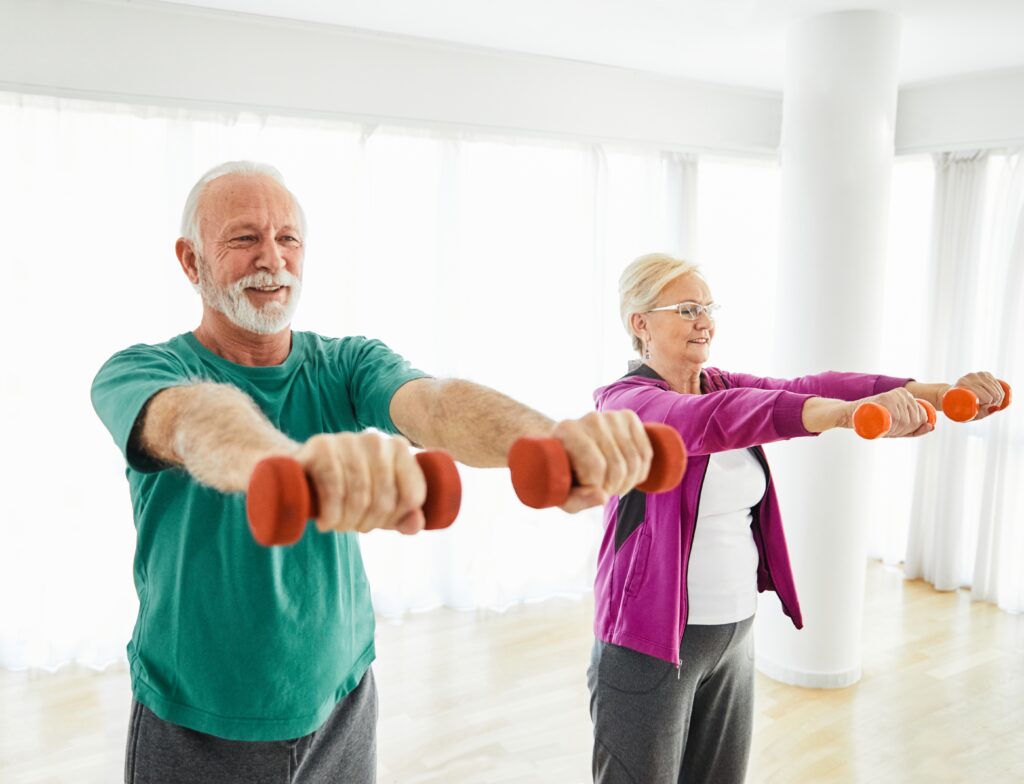
Make Strength and Balance a Priority
Cardiovascular exercise tends to receive plenty of attention, but strength and balance are particularly important as we age.
Muscle-strengthening activities help maintain the strength needed for everyday tasks, while balance-focused activities can be an important part of maintaining mobility and independence. The CDC physical activity recommendations specifically encourage older adults to combine aerobic, muscle-strengthening, and balance activities. (CDC)
And strength exercises don’t necessarily require elaborate equipment – resistance bands, appropriate weights, and other forms of resistance training can all be incorporated into a fitness routine.
Balance exercises can also become part of your regular wellness habits. The goal isn’t athletic performance—it’s helping your body remain capable and confident in everyday life.
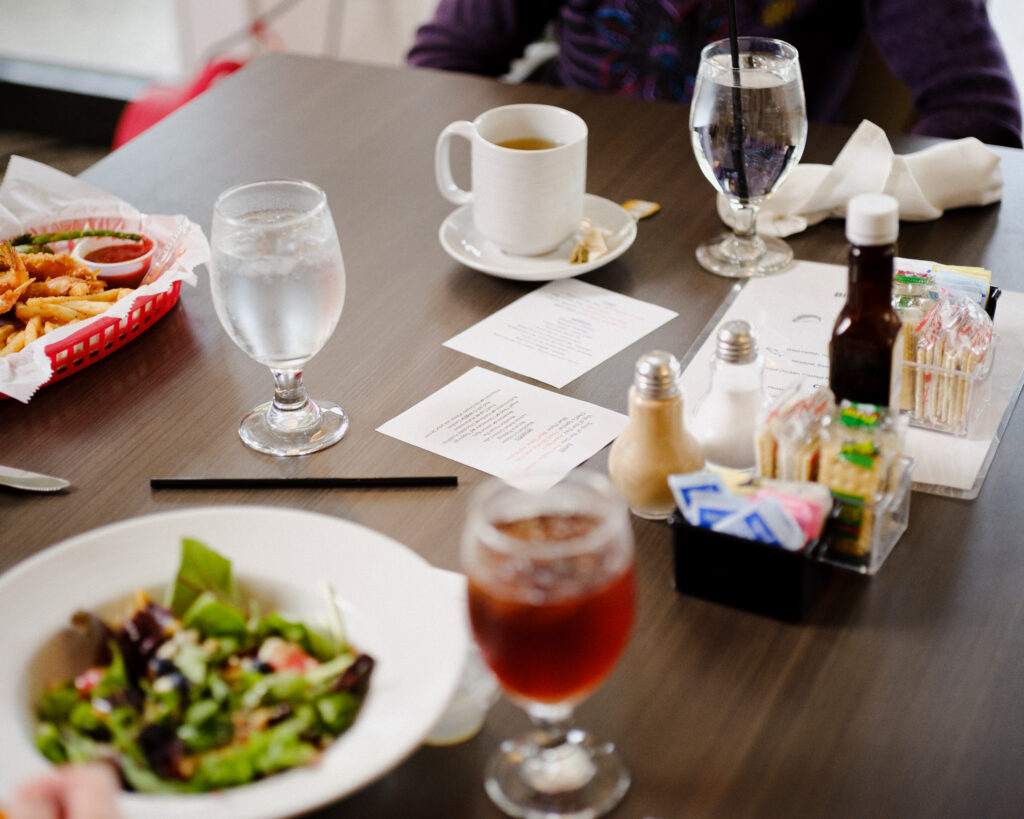
Fuel Your Body with Nutritious Foods
Good nutrition is another cornerstone of healthy aging.
The National Institute on Aging recommends a varied diet that includes fruits and vegetables, grains, protein foods, dairy or appropriate alternatives, and healthy food choices with limited added sugar, saturated fat, and sodium. Adequate protein is also important for helping older adults maintain muscle.
A healthy retirement diet might regularly include:
- Colorful fruits and vegetables
- Whole grains
- Beans, peas, and lentils
- Fish and other lean protein sources
- Low-fat or fat-free dairy or fortified alternatives
- Healthy fats
- Plenty of water
Hydration deserves special attention as well – drink water throughout the day to support hydration, digestion, and nutrient absorption. (National Institute on Aging)
Nutrition needs vary from person to person, especially when medical conditions or medications are involved. Your physician or a registered dietitian can help you determine the approach that best fits your individual needs.
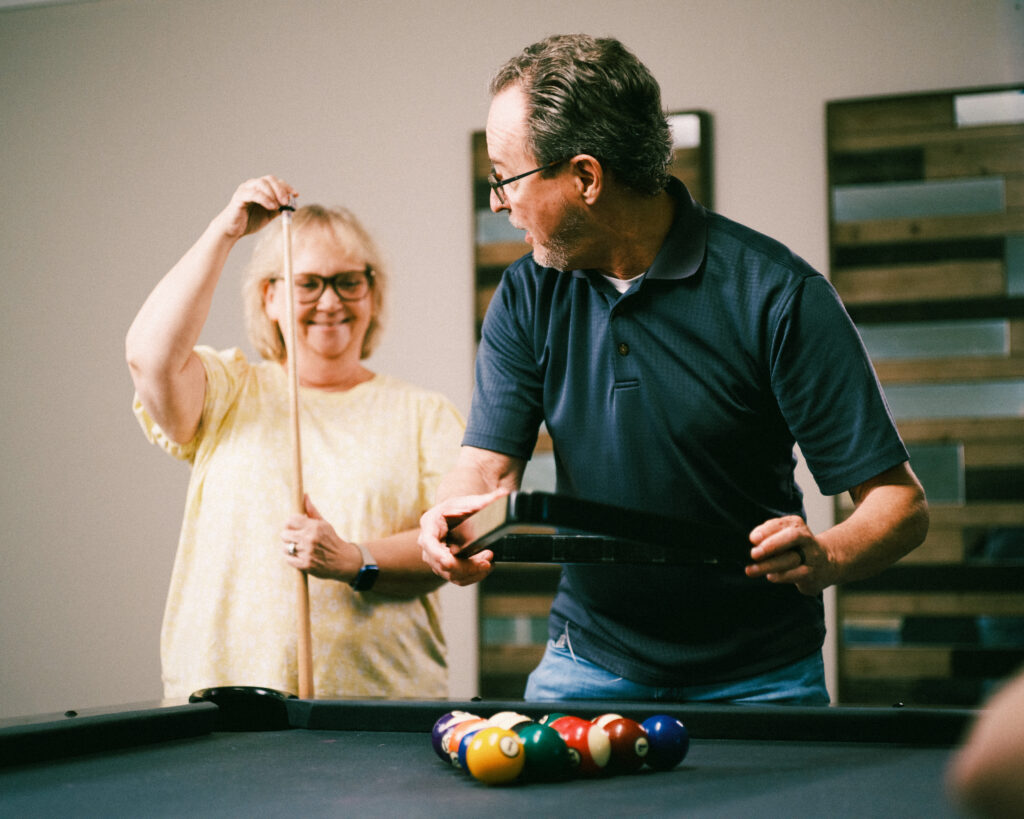
Protect Your Mental and Emotional Well-Being
Wellness isn’t only physical.
Retirement can bring exciting opportunities, but it can also involve significant changes to routines, relationships, and a person’s sense of purpose. That’s one reason maintaining meaningful connections is so important.
Loneliness and social isolation are associated with increased risks for several physical and mental health problems, including depression, heart disease, and cognitive decline.
Staying socially engaged can be as simple as:
- Sharing meals with friends
- Joining a club or interest group
- Volunteering
- Taking a class
- Participating in group fitness activities
- Attending community events
- Scheduling regular visits or calls with family
- Exploring a new hobby with others
Activities that provide enjoyment, connection, and a sense of purpose can contribute to well-being as we age. (National Institute on Aging)
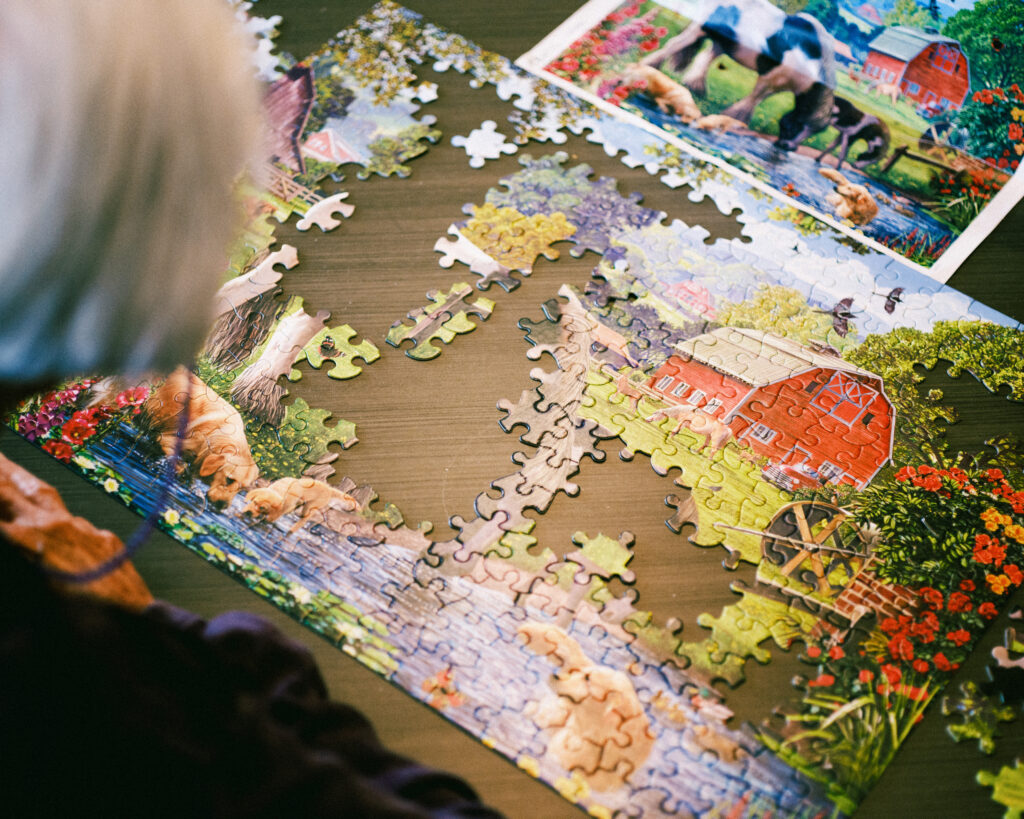
Give Your Brain a Workout, Too
An active retirement should include plenty of exercise for your mind.
Learning something new, reading, playing games, enjoying music, creating art, pursuing hobbies, or participating in classes can make everyday life more interesting and rewarding. Better yet, many mentally engaging activities can also be social.
Try learning a new skill, joining a book group, returning to a favorite hobby, or volunteering for an organization that matters to you.
The objective isn’t to fill every minute of the day, but to create opportunities for curiosity, enjoyment, connection, and purpose.
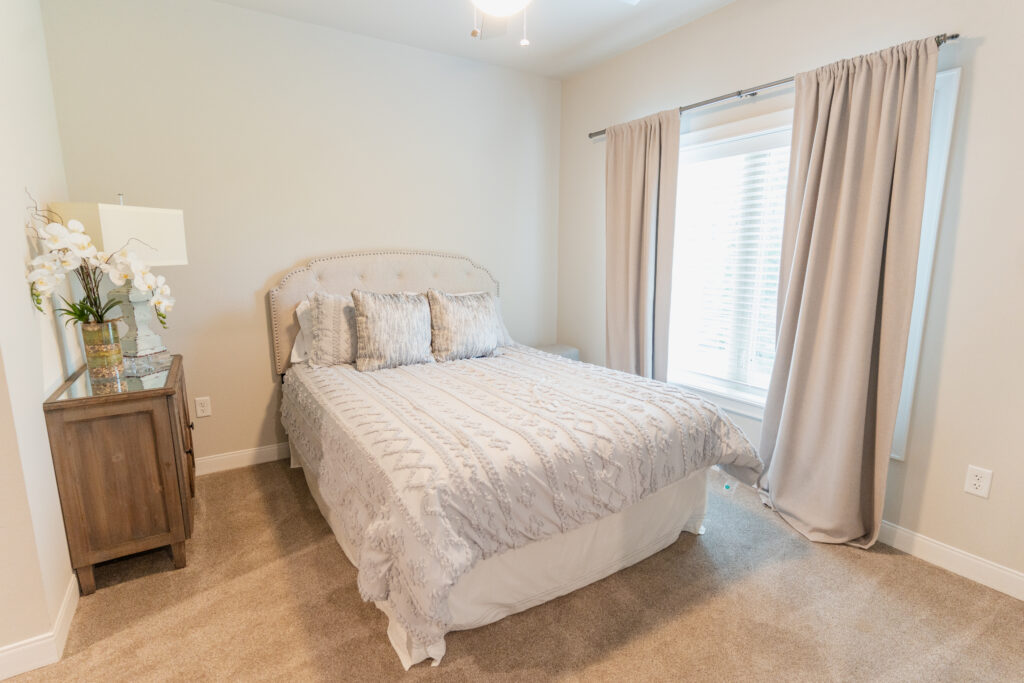
Make Quality Sleep Part of Your Wellness Routine
A good night’s sleep isn’t a luxury – it’s an important part of overall health.
Older adults generally need about seven to nine hours of sleep each night. Quality sleep supports numerous aspects of health and daily functioning, including attention, memory, decision-making, mood, and physical safety. (National Institute on Aging)
Healthy sleep habits can include:
- Going to bed and waking up at consistent times
- Creating a relaxing bedtime routine
- Keeping your bedroom comfortable
- Exercising regularly
- Limiting caffeine later in the day
- Avoiding large meals close to bedtime
If you regularly struggle to fall asleep, stay asleep, or feel rested, talk with your healthcare provider. Sleep difficulties can sometimes be connected to medications, medical conditions, insomnia, sleep apnea, or other issues that deserve attention.

Stay Proactive About Preventive Care
One of the smartest approaches to healthy aging is not waiting until something feels wrong before paying attention to your health.
Regular appointments with your healthcare providers provide opportunities to discuss changes in your physical or emotional health, review medications, and determine which screenings, vaccinations, or preventive services are appropriate for you.
Your individual healthcare needs depend on factors such as age, medical history, medications, family history, and lifestyle. Rather than relying on a one-size-fits-all checklist, work with your healthcare team to develop a preventive care plan that’s right for you.
And don’t overlook changes that may seem minor. Concerns involving balance, hearing, vision, memory, sleep, mood, or mobility are worth discussing with a healthcare professional.
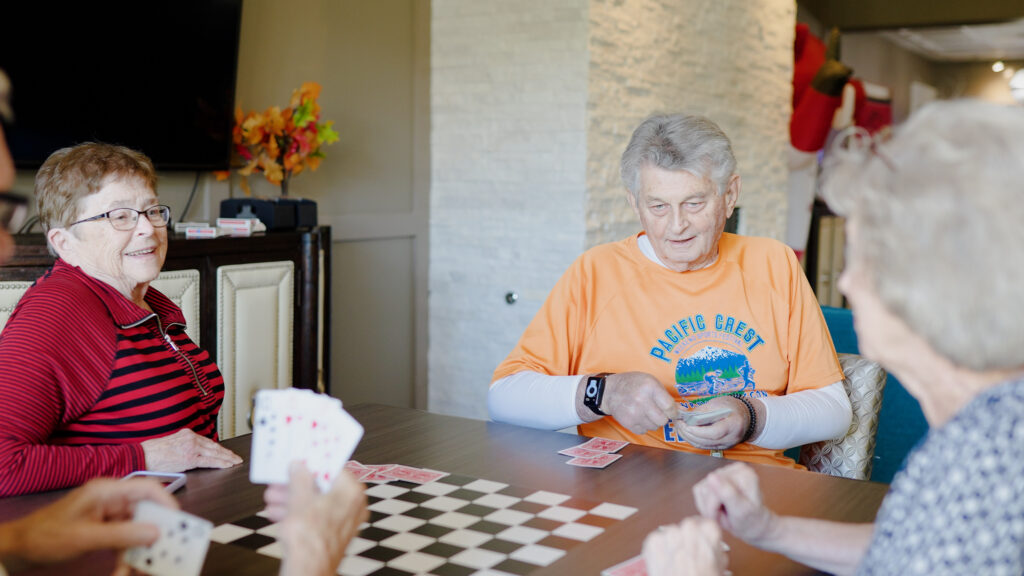
Build Healthy Habits into Everyday Life
A healthy lifestyle doesn’t have to feel like another job to do.
In fact, wellness is often easiest to maintain when healthy choices naturally become part of everyday life. Take a morning walk with a friend. Join a fitness class you enjoy. Share a nutritious meal with neighbors. Spend an afternoon gardening. Attend an event. Try something you’ve always wanted to learn.
These everyday experiences combine several elements of healthy aging—movement, mental stimulation, social connection, and enjoyment—without making wellness feel like a checklist.
Consistency matters more than perfection. Small, sustainable habits add up over time!
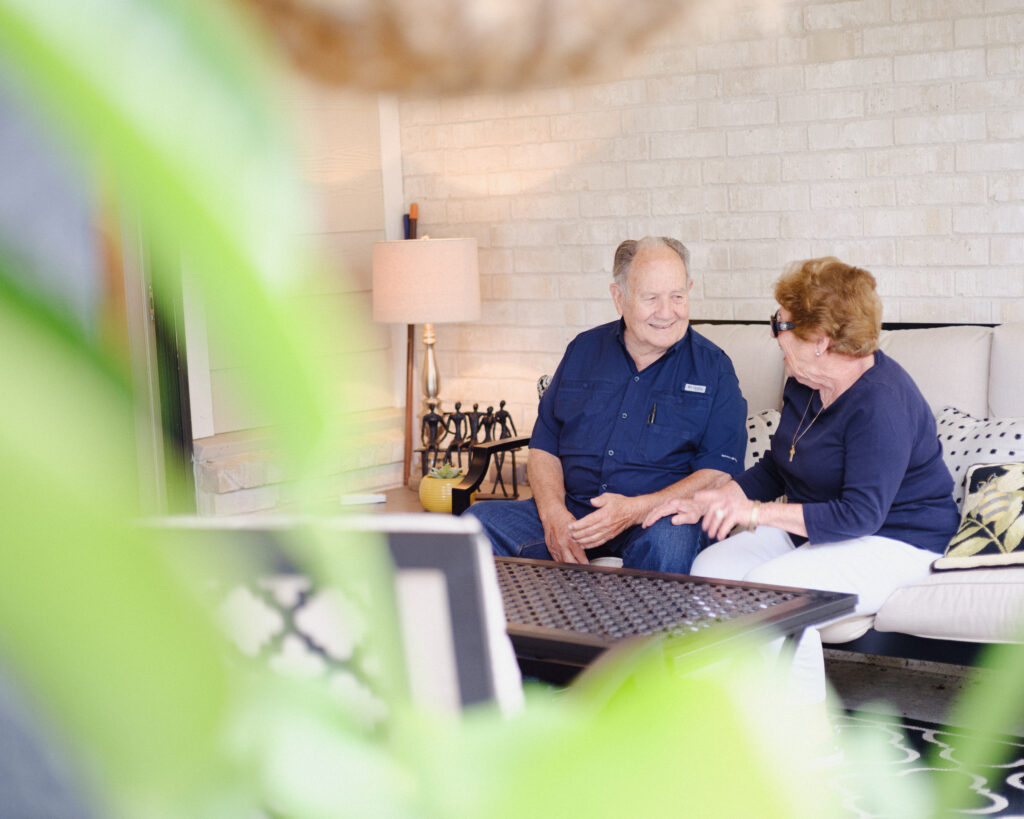
Discover a Lifestyle Designed for Living Well
Where you live can have a meaningful influence on how you spend your days in retirement.
A community that makes opportunities for activity, socialization, recreation, and connection easily accessible can remove some of the barriers that make healthy habits difficult to maintain.
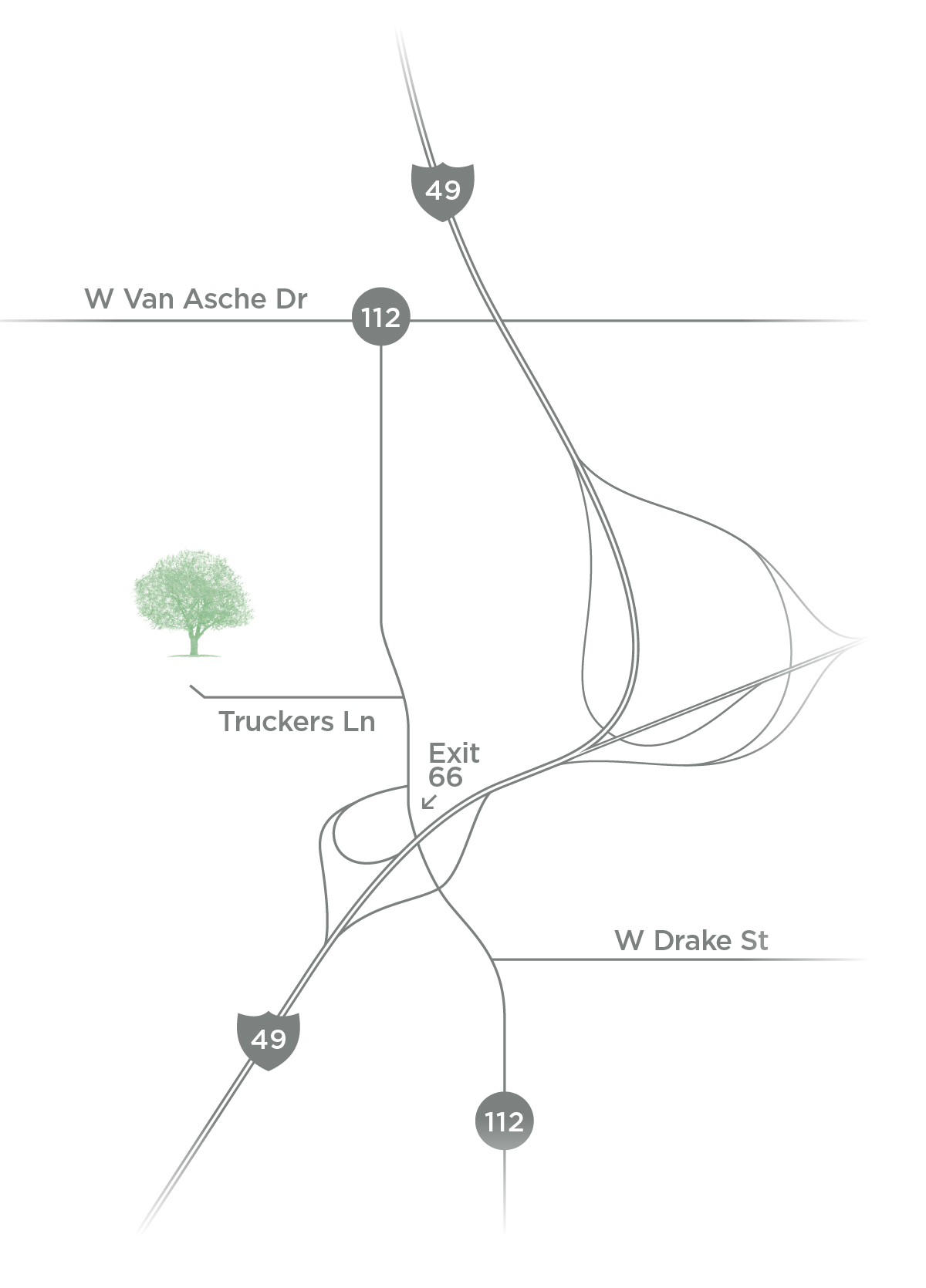
At Grand Village in Fayetteville, residents can enjoy a vibrant, maintenance-free lifestyle surrounded by exceptional amenities and opportunities to stay engaged. From our indoor pool and the nearby walking trail to inviting gathering spaces, dining experiences, activities, and entertainment, Grand Village makes it easier to build movement, connection, and enjoyment into everyday life.
Just as importantly, retirement here means becoming part of a welcoming community. Whether you’re enjoying an activity with neighbors, taking a walk, sharing a meal, or simply relaxing in beautifully maintained surroundings, there are opportunities to make each day your own.
Healthy retirement living means having the freedom and support to spend more time doing the things that help you feel your best.
If you’re considering retirement living in Northwest Arkansas, schedule a tour of Grand Village and experience firsthand how our luxury retirement community can complement an active, engaging lifestyle.
References
National Institute on Aging. Healthy Aging Tips for the Older Adults in Your Life. National Institutes of Health. (National Institute on Aging)
National Institute on Aging. Healthy Meal Planning: Tips for Older Adults. National Institutes of Health. (National Institute on Aging)
National Institute on Aging. Loneliness and Social Isolation — Tips for Staying Connected. National Institutes of Health. (National Institute on Aging)
National Institute on Aging. Participating in Activities You Enjoy As You Age. National Institutes of Health. (National Institute on Aging)
National Institute on Aging. Sleep and Older Adults. National Institutes of Health. (National Institute on Aging)
U.S. Department of Health and Human Services. Physical Activity Guidelines for Americans, 2nd Edition. (CDC)